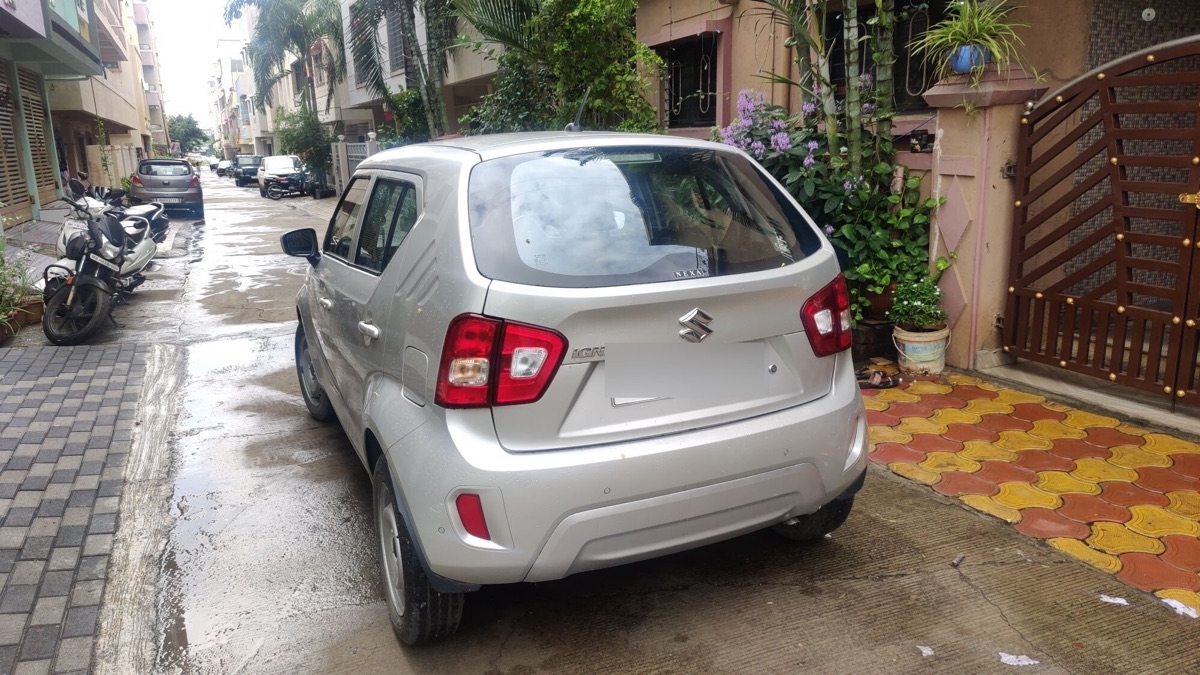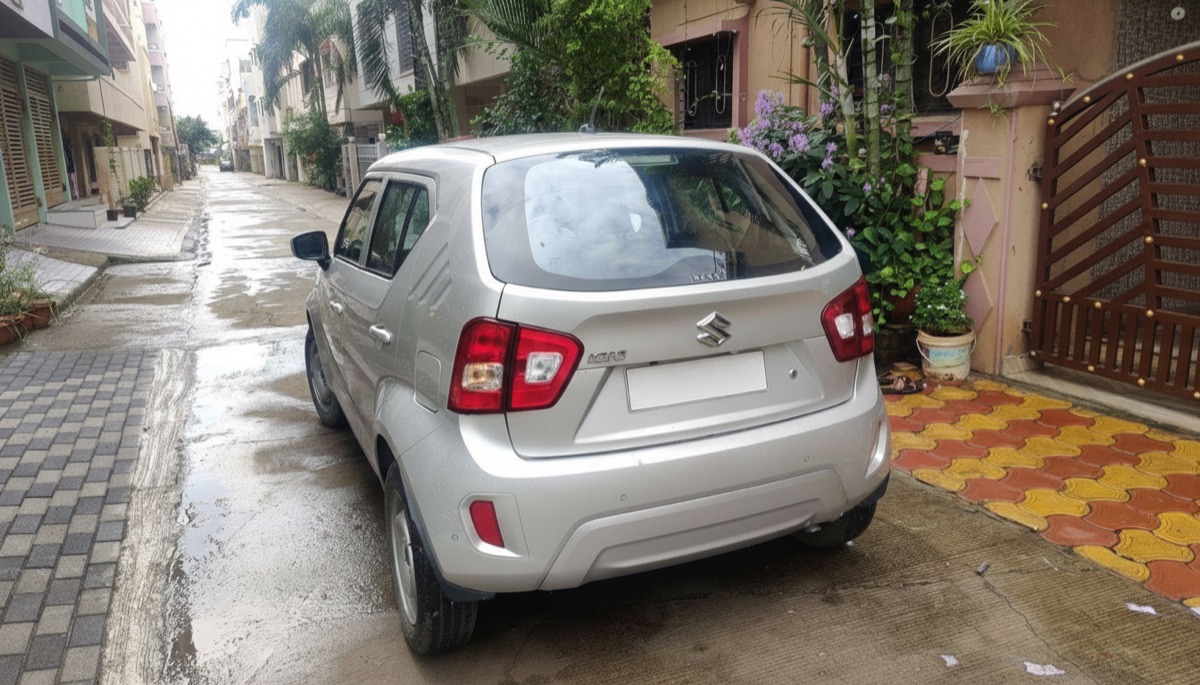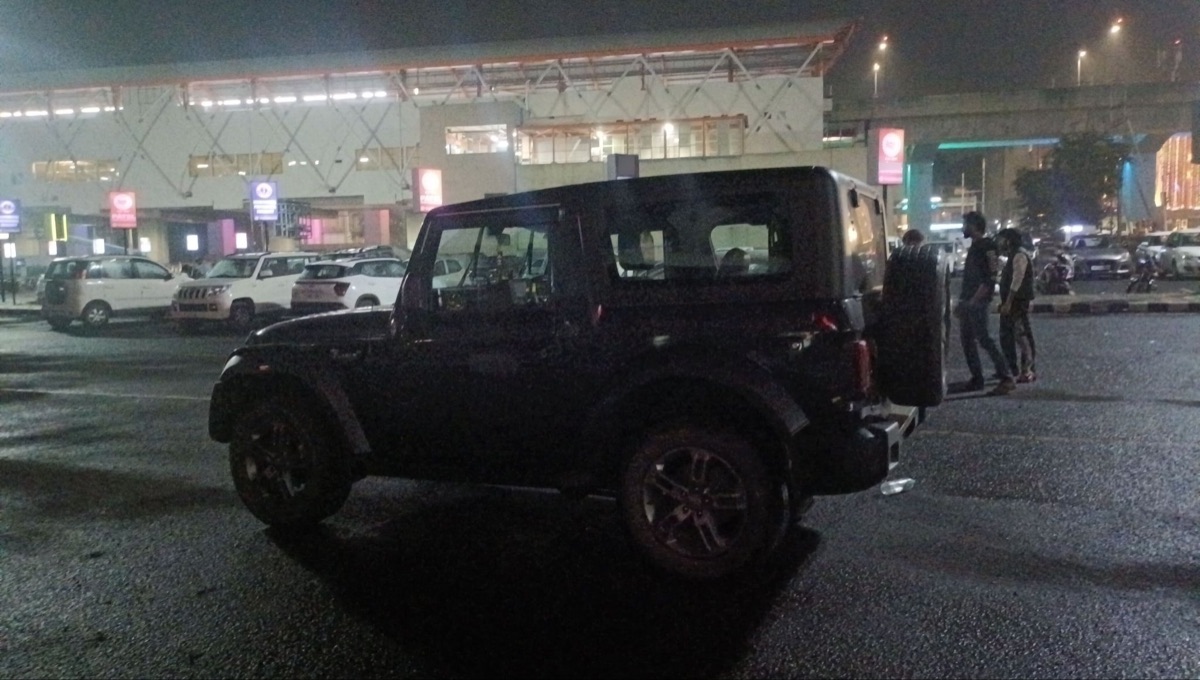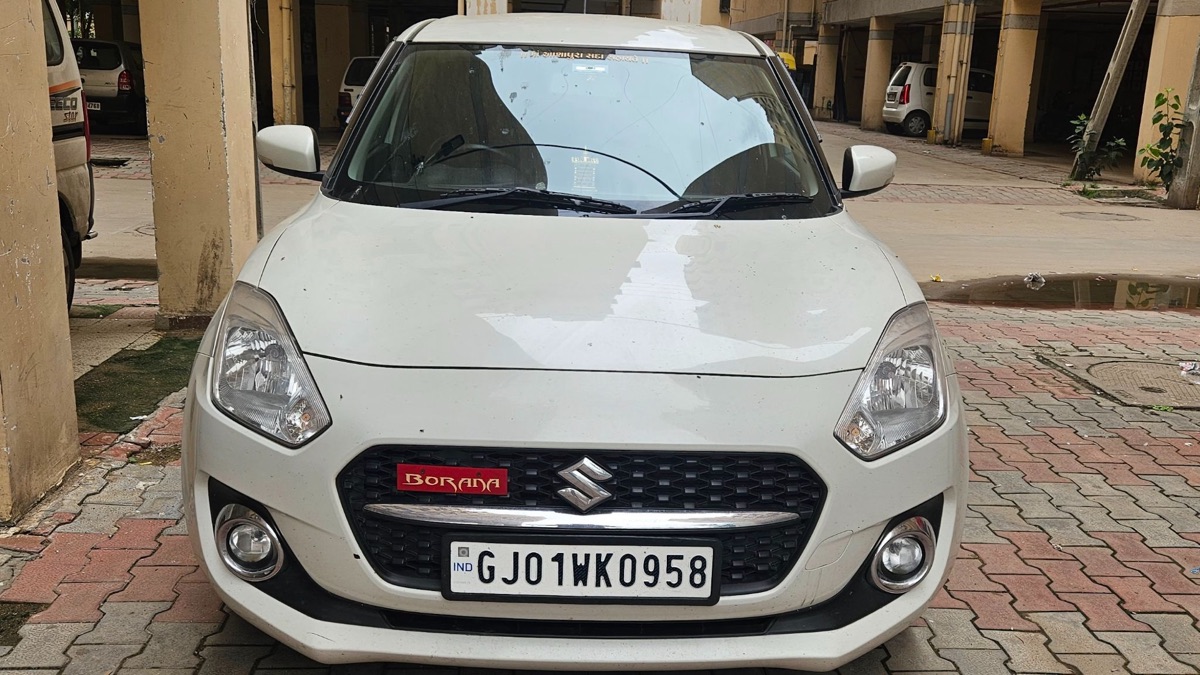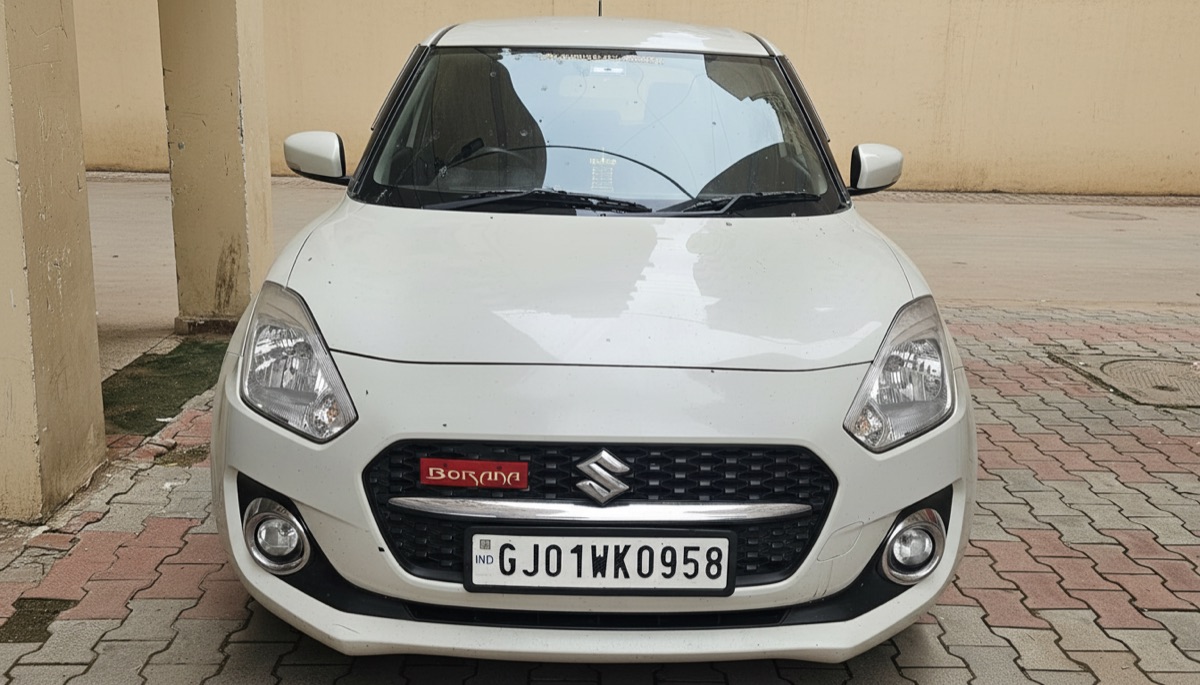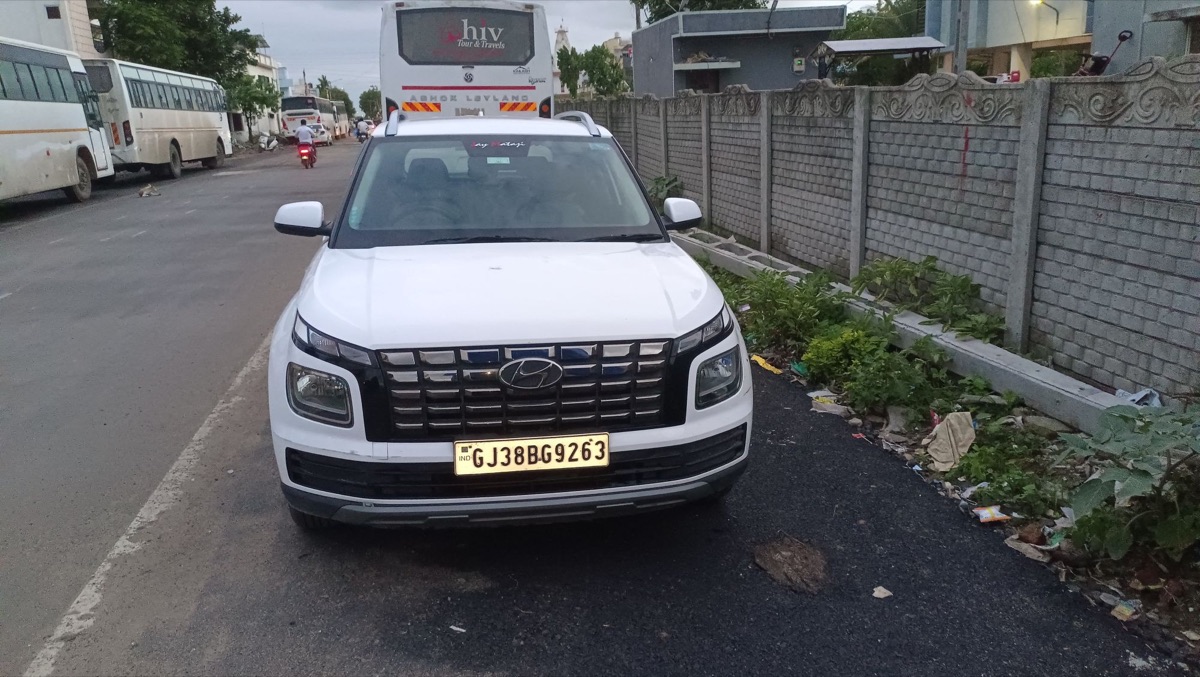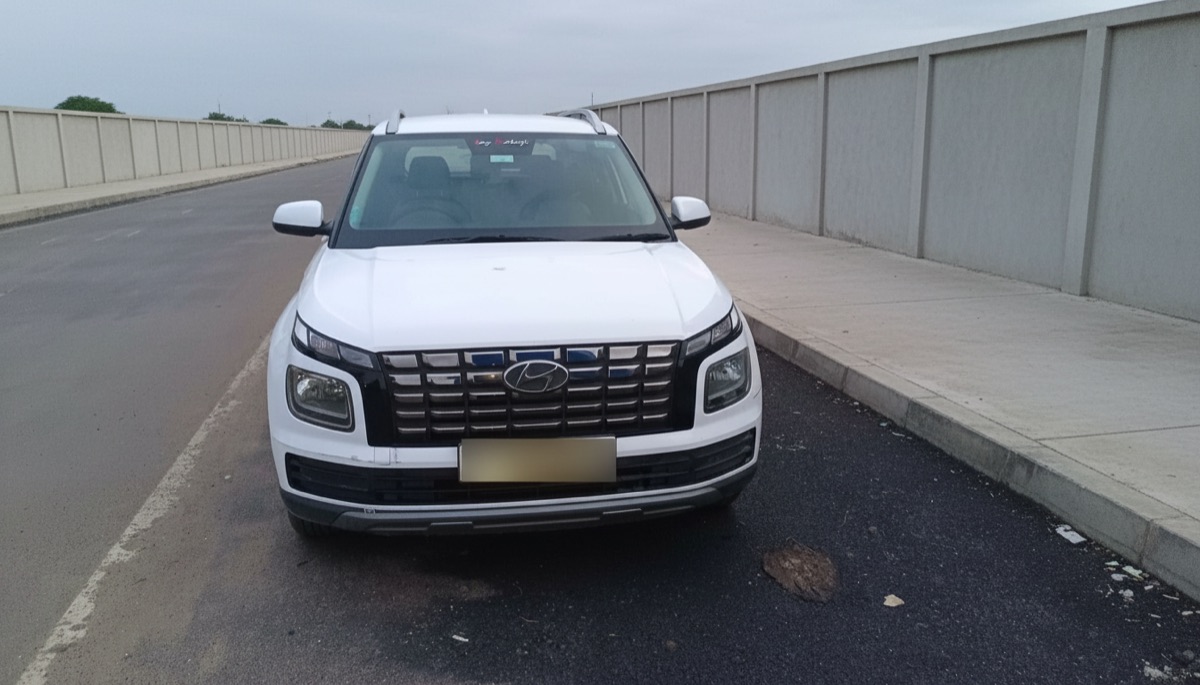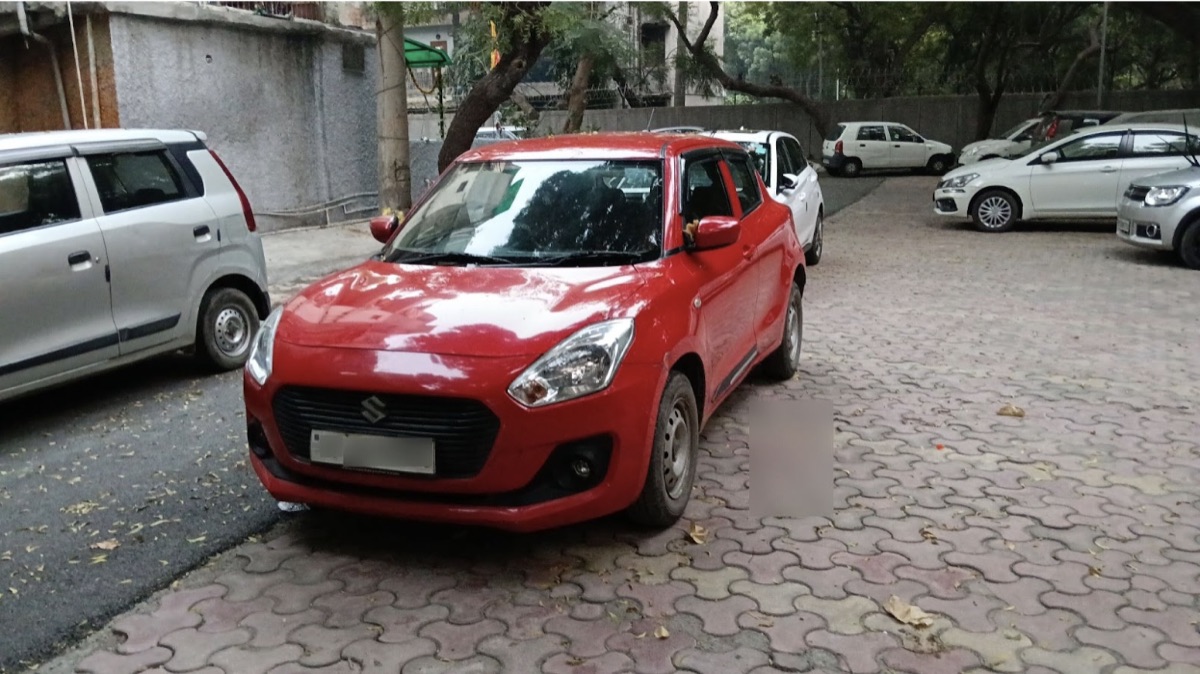
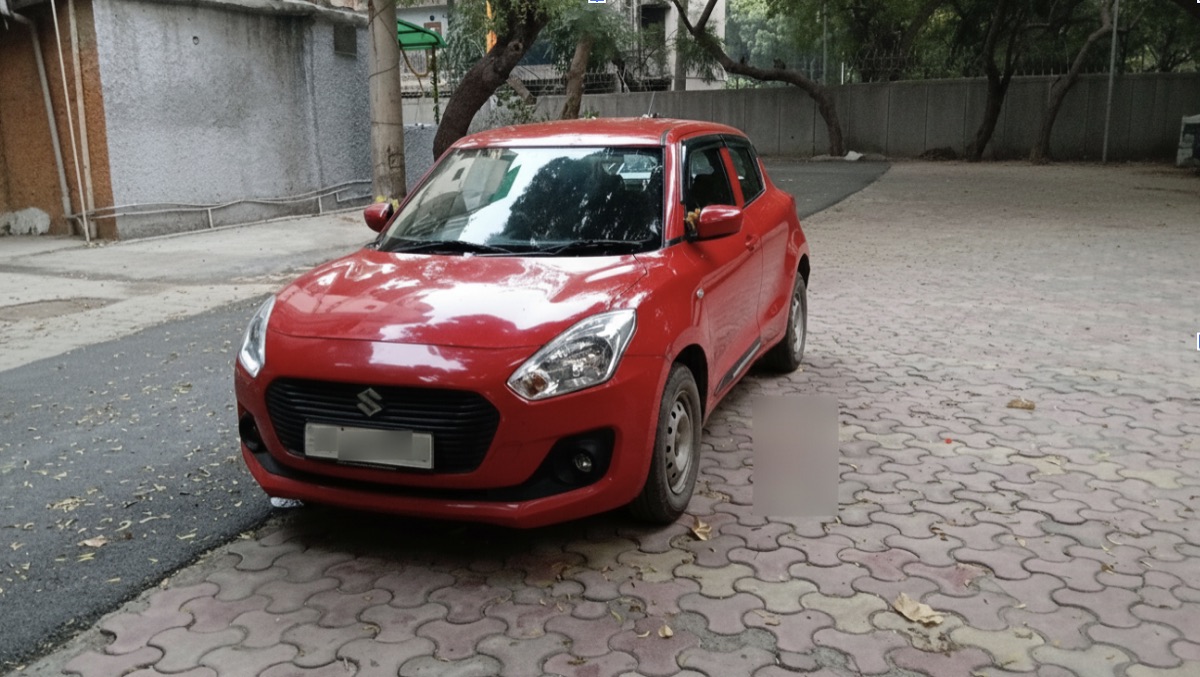
Problem: improve the photograph without improving the product
Pixel began as a fast exploration of whether a generative image model could improve marketplace car photographs. The brief was intentionally broad, so the first task was to define what ‘improve’ meant. Removing a person or background clutter could help. Repairing damage, replacing half a cropped car or inventing a premium location could misrepresent the listing.
I audited real photos and ran single-capability experiments: distraction removal, background cleanup, perspective correction, alignment, mild completion and full scene replacement. That work turned a vague objective into a product contract: improve presentation while preserving the identity and condition of the central car.
This article is intentionally public-safe. It explains the engineering decisions and lessons without exposing customer data, proprietary prompts, internal identifiers, operational commands or confidential decision thresholds.
- SOURCEValidate the original listing image
- GENERATEApply a constrained enhancement instruction
- COMPAREMeasure object, crop and composition consistency
- SCOREEstimate aesthetic improvement independently
- RETURNPublish only candidates that pass all gates
Prompt and model experiments
Long prompts listing every known failure often reduced compliance. Shorter instructions written in photographic terms performed better, especially when the preservation constraint was explicit. I compared model versions and API behaviour as well as chat-based experiments; the more expensive option did not consistently justify its cost for this task.
The prompt became one control among several, not the safety mechanism. Generative models could still remove a car, alter a logo, blur a headlight, erase an interior, flip orientation or produce a synthetic-looking background. Those failures shaped the evaluation system.
Manual review created the failure taxonomy
For the first market experiment, the team inspected roughly two thousand candidates across hundreds of cars. We tagged failures rather than recording only accept or reject: vehicle missing, background mismatch, geometry change, excessive blur, part removal, brand alteration, orientation flip, crop failure and implausible completion.
This work was expensive and indispensable. Automation is much easier after humans agree on what failure means. The labelled cases became the basis for thresholds, regression examples and stakeholder discussions about which imperfections were tolerable.
Evaluation POCs: separate identity from aesthetics
I ran several evaluation proofs of concept. Google Cloud Vision object localisation supplied before-and-after detections for the car and relevant parts. From these I derived consistency signals for object counts, vehicle area, crop movement, confidence and displacement from the image centre. These checks targeted the question: is the output still a plausible rendering of the same asset?
A CLIP-based aesthetic predictor addressed a different question: is the image visually stronger? Embedding-based aesthetic scoring was useful for ranking candidates, but it could not prove identity preservation. The final decision therefore combined hard rejection gates with a separate aesthetic comparison. No single score was asked to represent both truth and taste.
identity_ok = objects_stable and crop_plausible and position_plausible
quality_gain = aesthetic(enhanced) - aesthetic(original)
publish = identity_ok and quality_gain > minimum_useful_gain
Experiment design and results
The first city-level marketplace experiment showed a directional CTR improvement for enhanced cars. Because allocation occurred at car level rather than user level, I treated it as useful evidence with interference and selection caveats, not a perfect causal estimate. A second city produced a smaller CTR movement and an improvement in average rank, reinforcing the need to test across markets.
The evaluation system replaced the unscalable manual gate for later rollout. Generation, storage, automated comparison, scoring, audit and the response contract were designed as one DS-owned flow so that a published image could be traced back to its source and evaluation outcome.
Impact and remaining risk
Pixel demonstrated that image enhancement could improve marketplace presentation, and it created an automated mechanism for rejecting many of the most damaging transformations. It also made model limitations measurable instead of leaving them as anecdotes from prompt testing.
The residual risk remains semantic: object detectors and aesthetic models can miss subtle changes a customer would care about. The right long-term system combines automated gates, sampled human audits, drift monitoring and user-level experiments. Generative quality is not just how attractive the output looks; it is how confidently the marketplace can stand behind it.
Examples